The best movement for your heart is the movement you will actually repeat. For most people that means walking, carrying, climbing and playing — not an expensive membership gathering dust in a wallet.
Start with the easy base
A brisk walk most days is one of the most reliable things you can do for cardiovascular health. Brisk means you are breathing harder but can still hold a conversation. Build the habit before you build the intensity: a reliable short walk beats an ambitious plan abandoned in a fortnight.
Where you walk matters less than whether you walk. Errands on foot, a lap of the block after dinner and a longer weekend route all count toward the same thing.
Add a little strength
Muscle is metabolically active tissue, and strength work helps the heart work more efficiently at rest. You do not need a gym: body-weight squats, chair-based sit-to-stands, wall press-ups, carrying shopping and resistance bands cover the basics. A couple of short sessions each week is enough to begin, with rest days between.
Everyday movement snacks
Small bursts of movement add up quietly:
- Take the stairs for one flight instead of the lift.
- Take a short walk after a meal — it also helps digestion.
- Stand and stretch during long meetings or between calls.
- Carry your own shopping rather than wheeling it.
- Walk while you take a phone call when the weather allows.
Progress gradually, not dramatically
Increase duration before intensity, and change one thing at a time so you can tell how your body responds. Warm up with an easy few minutes, and finish with a gentle cool-down. Discomfort from effort is expected; sharp pain, chest tightness, dizziness or unusual breathlessness is a reason to stop and seek medical advice.
Pair movement with heart-friendly eating
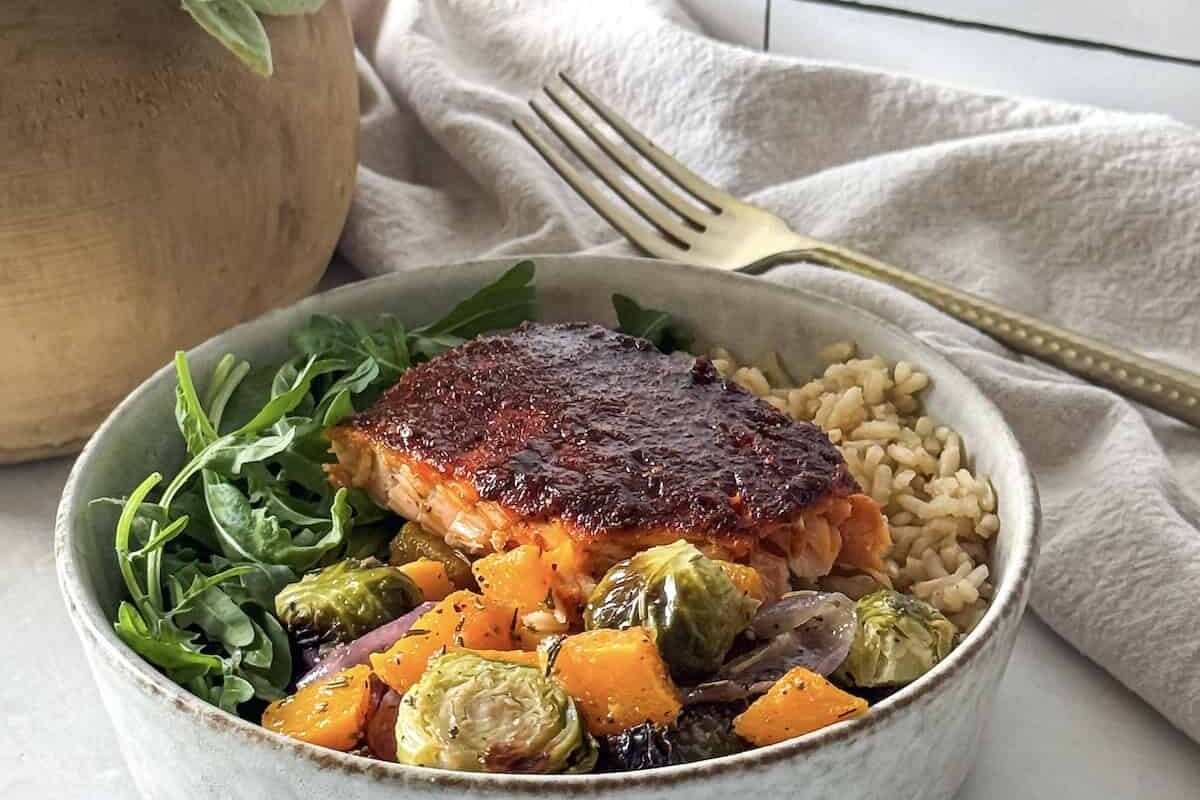
Movement and food work better together. Build meals around vegetables, legumes, whole grains, nuts and oily fish; choose olive oil in place of butter where you can; and keep highly processed snacks for occasional enjoyment rather than daily habit. If your clinician has flagged cholesterol or blood pressure, this combination — with consistent movement — is a strong foundation.
Recovery counts as training
Adaptation happens while you rest. Protect your sleep, take at least one easier day each week and treat stress as a cardiovascular factor in its own right rather than a separate problem.
Check in before you change course
If you have a heart condition, high blood pressure, joint problems, or you are returning to activity after illness or injury, speak with a clinician before starting something new. Our clinic can review your health picture, help you choose a sensible starting point and adjust your plan as your fitness grows.
A realistic week
Rather than chasing a perfect schedule, aim for a pattern you can repeat: a few brisk walks, a couple of short strength sessions, some everyday movement scattered across the day and one proper rest day. Repeat it for a month and it stops feeling like a programme — which is precisely when it starts to work.
Want a plan built around your body and your week?
Our nutrition team can turn these ideas into something specific for you, with check-ins to keep it realistic.